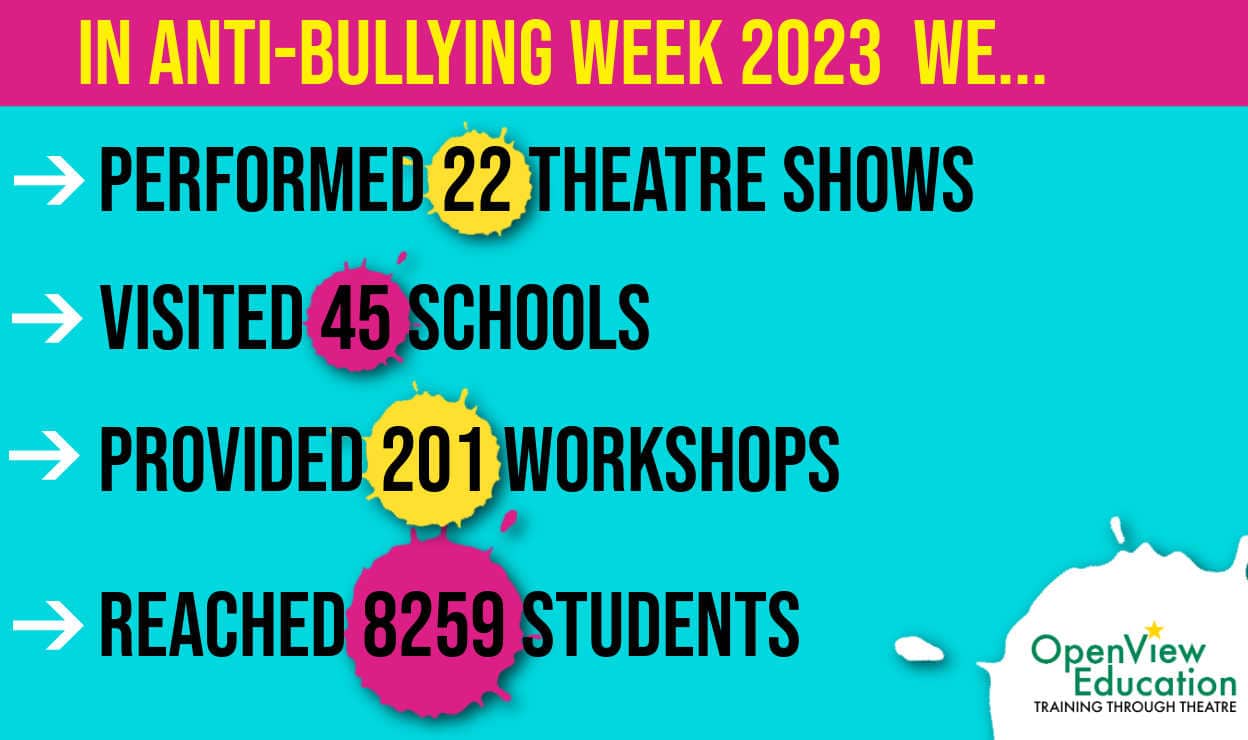
At OpenView Education we have the opportunity to visit hundreds of schools and work with thousands of students delivering anti-bullying workshops and internet safety workshops.
This provides an insight into the way young people are engaging with technology. Children are accessing the internet younger than ever before.

The children and parents: Media use and attitudes report from Ofcom is released every year, and it gives evidence about the way children are engaging with technology. It also shows the changing concerns of parents around internet safety.
Internet Safety Concerns? You Are Not Alone…
For parents and teachers, there’s a real value in understanding that any challenges you are facing around internet safety with your children, or within your school are often reflected in the national trends.
So here are some of the biggest trends around technology usage for young people from the most recent report:
-
21% of 3 – 4 year olds own their own tablet, this is an increase on the previous year.
-
Half of ten-year-olds now own a smart phone, and between the ages of 9 and 10 smartphone ownership doubles from 23% to 50%.
-
More 5 – 15 year olds are using smart speakers such as the echo dot. Smart speakers are now more widely used the radios.
-
Viewing on-demand services has doubled over the last five years. One in four children watch no traditional ‘tv’ at all, and the amount of regular TV being watched by children is decreasing:

The report also showed a decrease in the number of young people who thought there were enough TV programmes for children that were relatable. For example TV programmes that show children who live in the same part of the county as them. When this is contrasted with YouTube, which offers relevant and relatable content for your young people, it’s easy to understand it’s popularity.
-
YouTube remains a firm favourite and an there is an increase in the popularity of the ‘Vlogger next door’
YouTube remains the viewing platform of choice for young people. But there has also been an increase in the popularity of local vloggers. These peer-to-peer or local influencers are known as ‘micro’ or ‘nano’ influencers (thousands of followers, as opposed to millions of followers). This shows that young people value being able to follow people who they can relate to. Following micro influencers may also offer young people more opportunity for interaction and create a stronger sense of community if a vlogger address a niche topic.

Popular Platforms
Many primary aged students are active on social media platforms, in particular TikTok, WhatsApp, Snapchat and Instagram. Here are some of the changes this year:
-
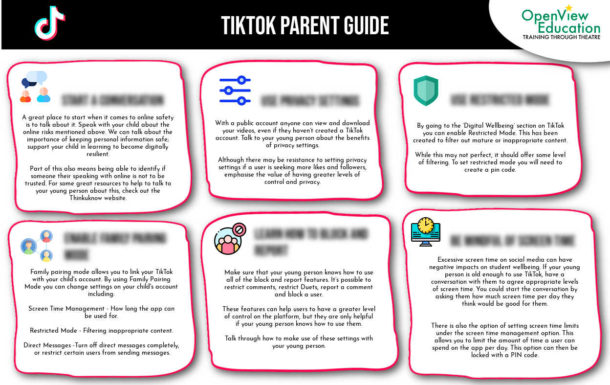
TikTok is used by 13% of 12 – 15 year olds. This has increased dramatically from the previous year.
-
Use of WhatsApp has increased significantly among a younger audience.
-
Increase in girls playing games: more than half of girls aged 5 – 15 play games.
Parents Concerns
Internet safety is a topic that regularly appears in the media. The developments in the way children use the internet and how it is depicted in the media can impact the concerns that parents have.
Here are some of the growing concerns around online safety for parents in the UK:
-
Compared with 2015, parents now think that the risks of their child being online outweigh the positives.
-
Parents are more concerned about in-game purchases than before.
-
More than half of parents of 8 – 15 year olds express concerns about how much information companies are collecting about their child. This has remained constant from the previous year.
-
Parents are more concerned about their child seeing content that may encourage them to harm themselves. This could be a result of increased awareness of this topic.
-
Parents are more likely to talk to their children about staying safe online than previous years.
-
There’s an increase in the amount of parents seeking information about how to keep their children safe online. The most common way parents would seek information is via their child’s school.
-
Less than half of the parents knew how to set parental controls on mobile devices, such as turning off in app purchases.

That’s why at OpenView Education we make it our aim to provide current, up to date internet safety training for whole school communities in an easily accessible way. We deliver internet safety parent workshops, staff training presentations and a range of internet safety workshops and shows for students.
In all of our internet safety training services we use a theatre based delivery to make the content engaging. If you would like to arrange positive, engaging and age appropriate internet safety training for your school get in touch here.
You can check out the full Children and parents: Media use and attitude’s report here.